Today's Temperature: How It Affects Fresh Vegetables in Indonesia
Today's temperature plays a vital role in keeping vegetables fresh. Learn how heat and humidity impact produce and how to adapt.
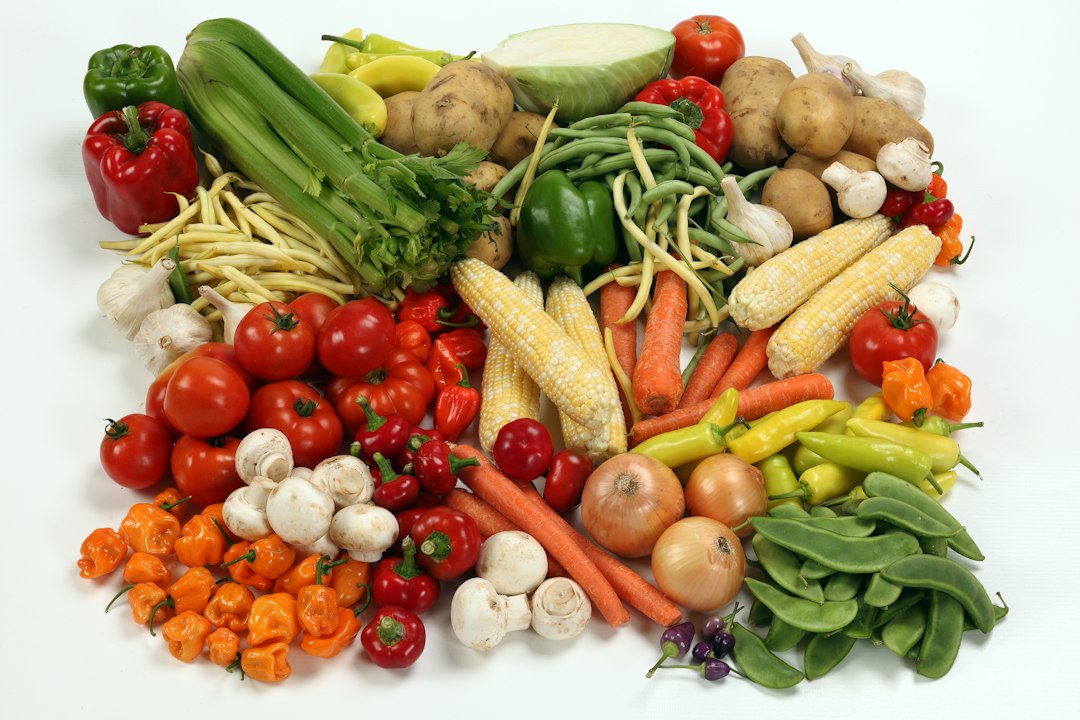
Why Today's Temperature Matters for Fresh Vegetables
As a Taninesia customer—whether you're a household shopper, a vegetable trader, a collector, or an out-of-town courier—you know that freshness is everything. But did you know that today's temperature can make or break the quality of your vegetables? In Indonesia's tropical climate, temperatures often soar, and even a few degrees can significantly affect how long your greens stay crisp and nutritious.
In this article, we'll explore how today's temperature impacts vegetables from farm to table, and share practical tips to keep your produce fresh despite the heat. Let's dive in!
How Today's Temperature Affects Vegetables
Vegetables are living products even after harvest. They continue to respire, losing moisture and nutrients over time. The rate of respiration is directly influenced by temperature: the higher today's temperature, the faster vegetables deteriorate.
1. Wilting and Moisture Loss
When today's temperature is high, leafy greens like spinach, lettuce, and kale lose water rapidly through transpiration. This causes wilting, yellowing, and a loss of that appealing crunch. For traders and collectors, this means unsold stock and unhappy customers.
2. Nutrient Degradation
Heat accelerates the breakdown of vitamins, especially vitamin C and folate. If today's temperature is above 30°C, vegetables can lose a significant portion of their nutritional value within hours. Households seeking healthy meals should be aware of this.
3. Increased Spoilage
Warm conditions encourage bacterial and fungal growth. Tomatoes, cucumbers, and peppers are particularly susceptible to rot when today's temperature remains high for extended periods. Couriers transporting vegetables over long distances must take extra precautions.
Today's Temperature in Indonesia: What to Expect
Indonesia's tropical climate means temperatures typically range from 26°C to 32°C in lowland areas, with higher humidity. Coastal cities like Jakarta, Surabaya, and Medan often experience heat indices above 35°C. In contrast, highland regions like Lembang and Berastagi offer cooler temperatures ideal for growing temperate vegetables.
Checking today's temperature before planning your vegetable handling is crucial. A sudden heatwave can disrupt supply chains and reduce shelf life dramatically.
Tips to Keep Vegetables Fresh Despite Today's Temperature
Whether you're storing vegetables at home or managing a large shipment, these tips will help you combat the heat:
- Harvest early: Farmers should harvest in the early morning when today's temperature is lowest.
- Pre-cool immediately: After harvest, quickly remove field heat by storing in a cool, shaded area or using a cold room.
- Use breathable packaging: Avoid sealed plastic bags that trap heat and moisture. Opt for perforated liners or mesh bags.
- Transport during cooler hours: Couriers should schedule deliveries in the early morning or evening to avoid peak heat.
- Store smartly: Households can keep vegetables fresh longer by storing them in the crisper drawer of the refrigerator, wrapped in paper towels to absorb excess moisture.
- Monitor humidity: High humidity combined with high temperature accelerates spoilage. Use hygrometers in storage areas.
For Households
Buy vegetables in smaller quantities more frequently. Check today's temperature forecast and plan your shopping accordingly. If it's going to be a scorcher, consider cooking with hearty vegetables like carrots and potatoes that tolerate heat better.
For Traders and Collectors
Invest in proper storage facilities. Even a simple fan and shaded area can lower the effective temperature by a few degrees, extending shelf life. Keep an eye on today's temperature and adjust your inventory turnover accordingly.
For Couriers
Use insulated containers or cool boxes during transit. Avoid leaving vegetables in direct sunlight inside vehicles. Plan routes to minimize time spent in traffic, as idling engines and hot asphalt can raise temperatures inside delivery vans.
Fun Fact: Vegetables That Thrive in Heat
Not all vegetables suffer in high temperatures. Okra, eggplant, and sweet potatoes actually prefer warm conditions. Knowing which crops are heat-tolerant can help you make smarter choices based on today's temperature.
Conclusion: Stay Cool, Stay Fresh with Taninesia
Today's temperature is more than just a number—it's a critical factor in preserving the freshness and nutritional value of your vegetables. By understanding its effects and following our tips, you can ensure that your produce stays vibrant from farm to fork.
At Taninesia.com, we connect households, traders, collectors, and couriers with the freshest vegetables Indonesia has to offer. Our platform is designed to streamline the supply chain, ensuring that regardless of today's temperature, you get quality produce. Visit Taninesia.com today and experience the difference!
Butuh sayur segar untuk bisnis Anda?
Pesan langsung dari Taninesia.com — harga grosir, gratis ongkir min. Rp 150.000
Belanja Sekarang