Temperature Control: Key to Fresh Vegetables in Indonesia
Learn how temperature control keeps vegetables fresh from farm to table, and why it matters for households, traders, and couriers in Indonesia.
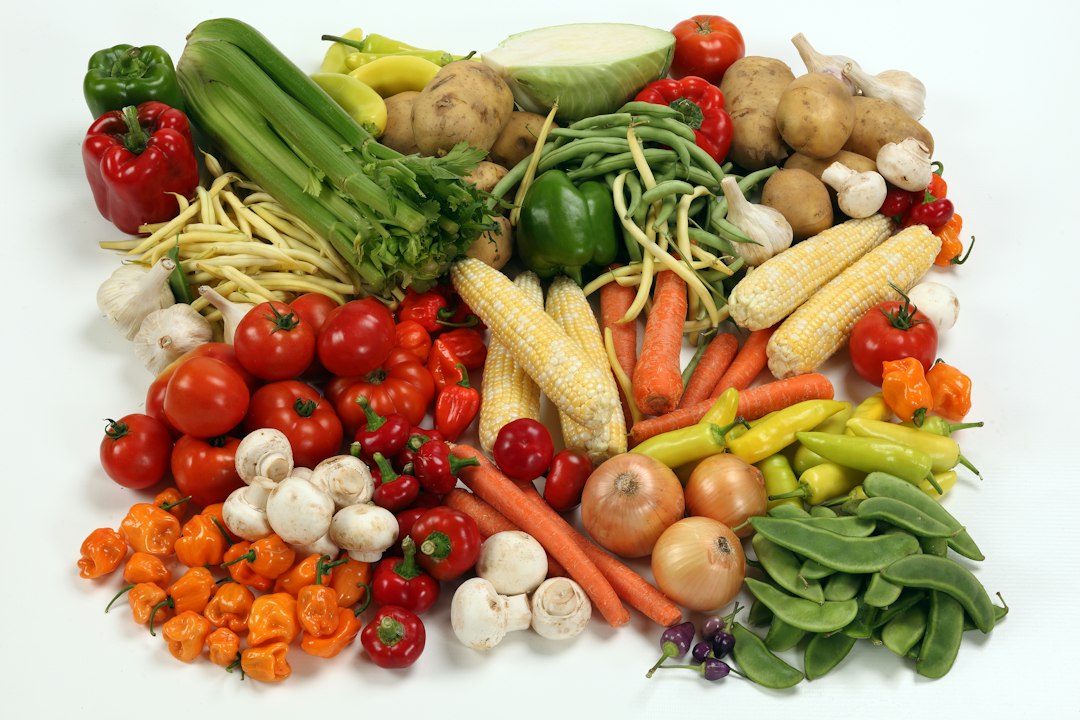
Why Temperature Matters for Fresh Vegetables
When you buy fresh vegetables, you want them to be crisp, vibrant, and nutritious. But did you know that temperature plays a crucial role in maintaining that freshness? From the moment vegetables are harvested to the time they reach your kitchen, temperature control is essential to prevent spoilage and preserve quality.
In Indonesia's tropical climate, where heat and humidity are constant challenges, managing temperature becomes even more critical. Whether you're a household buyer, a vegetable trader, a collector, or an out-of-town courier, understanding temperature can save you money and ensure your customers get the best produce.
How Temperature Affects Vegetables
Vegetables are living tissues even after harvest. They continue to respire, using oxygen and producing heat. Higher temperatures accelerate respiration, leading to faster aging, wilting, and nutrient loss. Conversely, lower temperatures slow down these processes, extending shelf life.
However, not all vegetables react the same way. Some are sensitive to cold and can suffer chilling injury if stored too cold. That's why knowing the right temperature range for each type is key.
Optimal Temperature Ranges for Common Vegetables
- Leafy greens (spinach, lettuce, kangkung): 0–4°C. Keep them cold and humid.
- Root vegetables (carrots, potatoes, onions): 4–10°C. Cool and dark.
- Tropical vegetables (cucumbers, tomatoes, peppers): 10–15°C. Avoid refrigeration below 10°C.
- Herbs (basil, cilantro): 10–15°C. Basil is especially cold-sensitive.
By storing vegetables at their ideal temperature, you can extend freshness by days or even weeks.
Temperature Control in the Supply Chain
From farm to fork, vegetables pass through many hands. Each stage requires careful temperature management.
For Farmers and Collectors
After harvest, vegetables should be cooled as quickly as possible. Field heat can cause rapid deterioration. Simple techniques like harvesting in the early morning or using shade can help. For larger operations, forced-air cooling or cold rooms are ideal. Collectors should transport produce in refrigerated trucks or insulated containers to maintain the cold chain.
For Traders and Couriers
Traders at markets often face fluctuating temperatures. Using cool boxes, ice packs, or even wet cloths can help keep vegetables fresh. For out-of-town couriers, investing in a portable refrigerator or good insulation is essential, especially for long journeys. Remember, every hour at the wrong temperature reduces quality.
For Households
At home, proper storage is just as important. Not all vegetables belong in the fridge. For example, tomatoes lose flavor if refrigerated, while leafy greens wilt quickly at room temperature. Use your refrigerator's crisper drawer for leafy greens and herbs, and keep tropical vegetables in a cool, dark place.
Tips for Maintaining the Right Temperature
- Use a thermometer: Keep a fridge thermometer to ensure your refrigerator is at the right setting (usually 1–4°C).
- Don't overcrowd: Air needs to circulate for even cooling.
- Separate ethylene producers: Fruits like bananas and apples release ethylene gas, which speeds up ripening in vegetables. Store them separately.
- Wrap or bag: Use perforated bags or damp cloths to maintain humidity without causing rot.
- Cool quickly: After buying, refrigerate vegetables promptly, especially in hot weather.
These simple habits can significantly reduce waste and save money.
The Benefits of Proper Temperature Management
When temperature is managed well, everyone wins:
- Households: Enjoy fresher, tastier vegetables and less waste.
- Traders: Reduce losses and increase customer satisfaction.
- Collectors: Maintain quality during transport and command better prices.
- Couriers: Deliver produce in prime condition, building trust.
Moreover, proper temperature control supports sustainability by reducing food waste, which is a major issue in Indonesia.
Conclusion: Keep It Cool, Keep It Fresh
Temperature is a silent but powerful factor in the journey of every vegetable. By understanding and controlling it, you can ensure that the vegetables you buy, sell, or deliver remain fresh and nutritious. Whether you're a household shopper or a professional in the supply chain, small adjustments in temperature management can lead to big benefits.
At Taninesia.com, we're committed to bringing you the freshest vegetables from farm to table. Our network of farmers, traders, and couriers works together to maintain the cold chain, so you get the best quality produce. Visit Taninesia.com today to explore our wide range of fresh vegetables and experience the difference that proper temperature control makes.
Butuh sayur segar untuk bisnis Anda?
Pesan langsung dari Taninesia.com — harga grosir, gratis ongkir min. Rp 150.000
Belanja Sekarang