How to Grow Spinach at Home: A Complete Guide for Beginners
Learn how to grow spinach at home with our easy step-by-step guide. From choosing the right variety to harvesting, get fresh, organic spinach right from your garden.
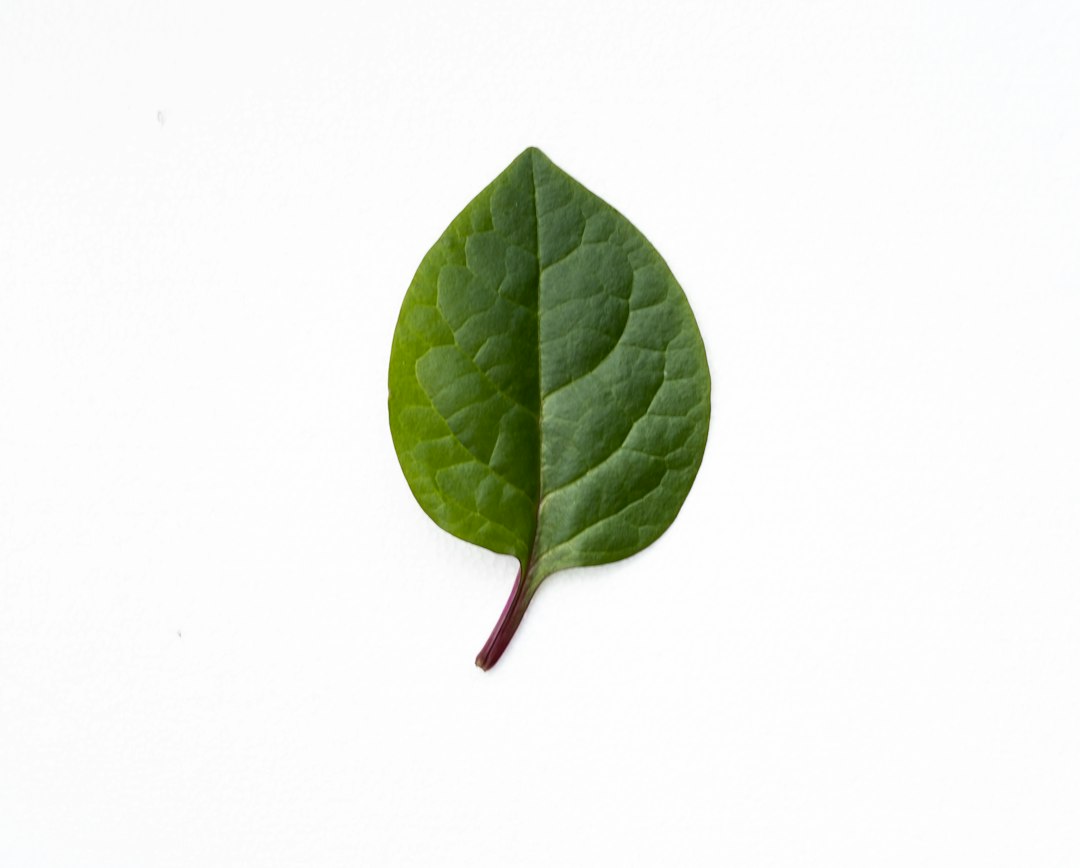
How to Grow Spinach at Home: A Complete Guide for Beginners
Spinach is a nutritious leafy green that's surprisingly easy to grow at home. Whether you have a small backyard, a balcony, or just a windowsill, you can enjoy fresh, organic spinach right from your own garden. In this guide, we'll walk you through everything you need to know about how to grow spinach at home, from selecting the right variety to harvesting your crop. Plus, we'll share some tips on how Taninesia.com can support your gardening journey with high-quality seeds and supplies.
Why Grow Spinach at Home?
Growing spinach at home comes with a host of benefits. For starters, spinach is packed with vitamins and minerals, including iron, calcium, and vitamins A and C. Homegrown spinach is often more flavorful and nutritious than store-bought because you can harvest it at peak freshness. Plus, you'll save money and reduce your carbon footprint by avoiding packaged greens. For households, vegetable traders, and even couriers looking to add a personal touch, home gardening is a rewarding hobby that promotes sustainability.
Choosing the Right Spinach Variety
Before you start planting, it's important to choose the right spinach variety for your climate and space. There are two main types of spinach: savoy (crinkly leaves) and flat-leaf (smooth leaves). Savoy spinach is more cold-tolerant, while flat-leaf varieties are quicker to mature. If you're growing in a warm climate, look for heat-resistant varieties like 'Malabar spinach' (though it's technically a different species). For beginners, 'Bloomsdale' and 'Space' are excellent choices.
Best Spinach Varieties for Containers
If you're short on space, container gardening is a great option. Varieties like 'Baby Leaf' and 'Tyee' thrive in pots. Ensure your containers are at least 6 inches deep and have drainage holes. Use a quality potting mix and place them in a spot that receives at least 4-6 hours of sunlight daily.
Step-by-Step Guide to Growing Spinach at Home
Now, let's get into the nitty-gritty of how to grow spinach at home. Follow these steps for a bountiful harvest.
1. Prepare the Soil
Spinach prefers well-draining, loamy soil with a pH between 6.5 and 7.5. Before planting, amend the soil with compost or aged manure to improve fertility and drainage. If you're using containers, choose a high-quality organic potting mix.
2. Planting Spinach Seeds
Spinach grows best in cool weather, so plant seeds in early spring or fall. Sow seeds directly into the garden or containers, about ½ inch deep and 2-3 inches apart. Water gently after planting. For a continuous harvest, sow seeds every 2-3 weeks.
3. Watering and Mulching
Keep the soil consistently moist but not waterlogged. Spinach has shallow roots, so water regularly, especially during dry spells. Mulching around plants helps retain moisture and suppress weeds. Avoid overhead watering to prevent leaf diseases.
4. Fertilizing
Spinach is a heavy feeder and benefits from a nitrogen-rich fertilizer. Apply a balanced organic fertilizer every 3-4 weeks. If using synthetic fertilizer, follow the package instructions carefully to avoid burning the plants.
5. Pest and Disease Management
Common pests include aphids and leaf miners. Use row covers to protect young plants and encourage natural predators like ladybugs. For diseases like downy mildew, ensure good air circulation and avoid wetting the leaves.
Harvesting and Storing Spinach
Spinach is ready to harvest 6-8 weeks after planting. You can either pick individual outer leaves or cut the entire plant at the base for a one-time harvest. For a continuous supply, harvest outer leaves regularly, allowing the plant to keep growing. Store fresh spinach in a plastic bag in the refrigerator for up to a week.
Tips for Success
- Timing is key: Spinach bolts in hot weather, so plant early in spring or in late summer for a fall crop.
- Succession planting: Sow seeds every few weeks for a steady supply.
- Companion planting: Grow spinach near beans, peas, or cabbage to deter pests.
- Container gardening: Use pots at least 6 inches deep and place them in a sunny spot.
Conclusion
Growing spinach at home is a fun and rewarding experience that provides you with fresh, nutritious greens right from your garden. With the right variety, proper care, and a little patience, you'll be enjoying your own harvest in no time. And remember, for all your gardening needs—from seeds to tools—Taninesia.com is here to help. Visit our website to explore our range of high-quality products and start your home garden today!
Butuh sayur segar untuk bisnis Anda?
Pesan langsung dari Taninesia.com — harga grosir, gratis ongkir min. Rp 150.000
Belanja Sekarang